Wisconsin and Michigan Primaries Expose Poll and Market Failures
Two primaries in one week caught polls and prediction markets flat-footed, raising fresh doubts about their reliability.
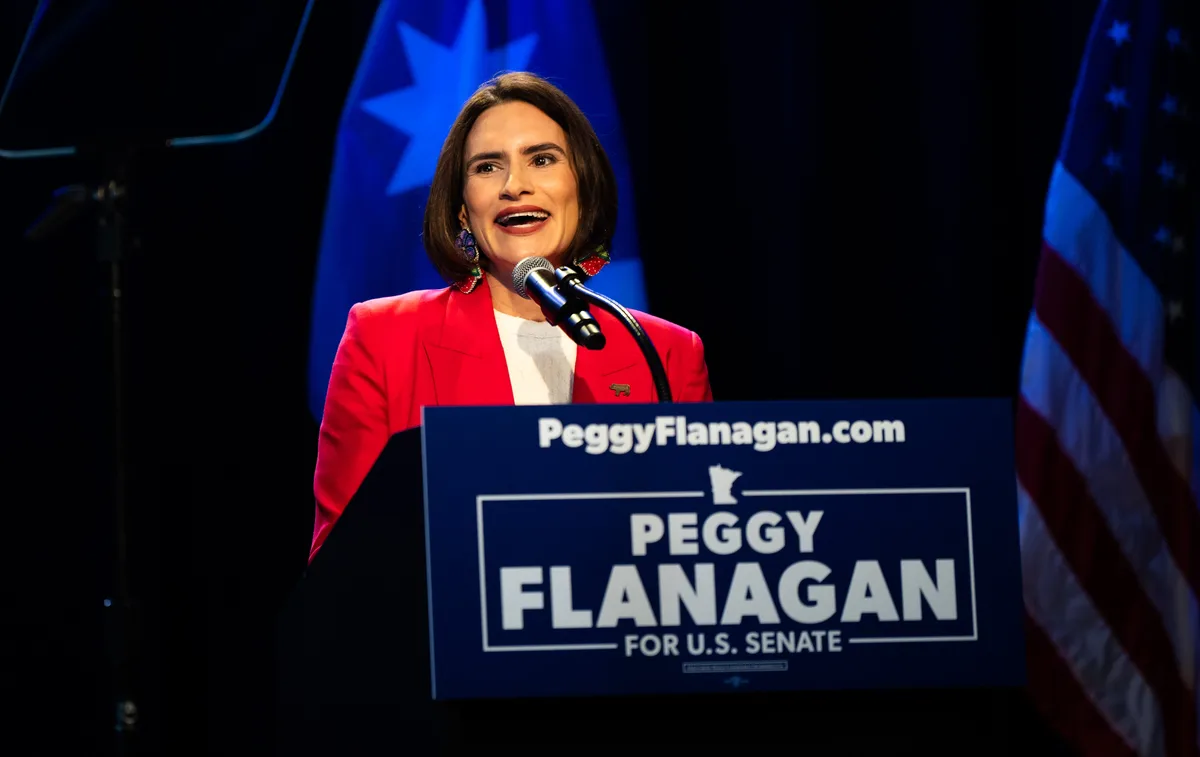
Prediction markets and pollsters just got schooled — again. For the second time in little more than a week, both failed to call the outcomes of Democratic primaries, this time in Wisconsin alongside an earlier miss in Michigan's U.S. Senate primary. If you've been trading political contracts or leaning on polls to gauge electoral sentiment, consider this a wake-up call.
The back-to-back misses are more than a statistical blip. When you see the same tools fumble twice in rapid succession, in the same party's primaries, you have to question the underlying data quality. Are likely-voter models capturing a shifted electorate? Are prediction market participants simply herding around poll numbers that are already broken? Both failures point to systemic blind spots, not random noise.
Read more Cramer Uses Gene Hackman's Wisdom to Accept Trading Losses →
For traders specifically, this matters beyond political curiosity. Prediction markets have attracted serious money and serious credibility in recent cycles — positioned as a smarter, crowd-sourced alternative to traditional polling. Two consecutive misses chip away at that narrative fast. The edge you thought you had betting on consensus odds may be smaller than advertised.
The lesson here isn't to abandon these tools entirely. It's to price in more uncertainty than the markets are currently offering. When odds look too clean, too confident, and the underlying polls have already missed recently — that's your signal to fade the favorite or at least hedge hard. Political risk is real risk, and right now the forecasting infrastructure is showing cracks.
Continue reading at US Top News and Analysis