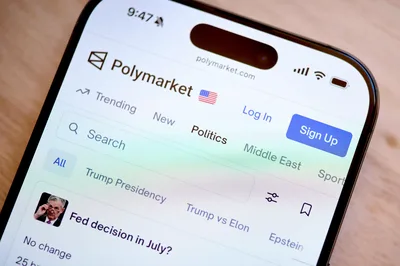
Prediction Markets Raise Insider Trading Red Flags for Wall Street
Companies are scrambling to address employee trading on prediction markets. Most have no clear policy yet.
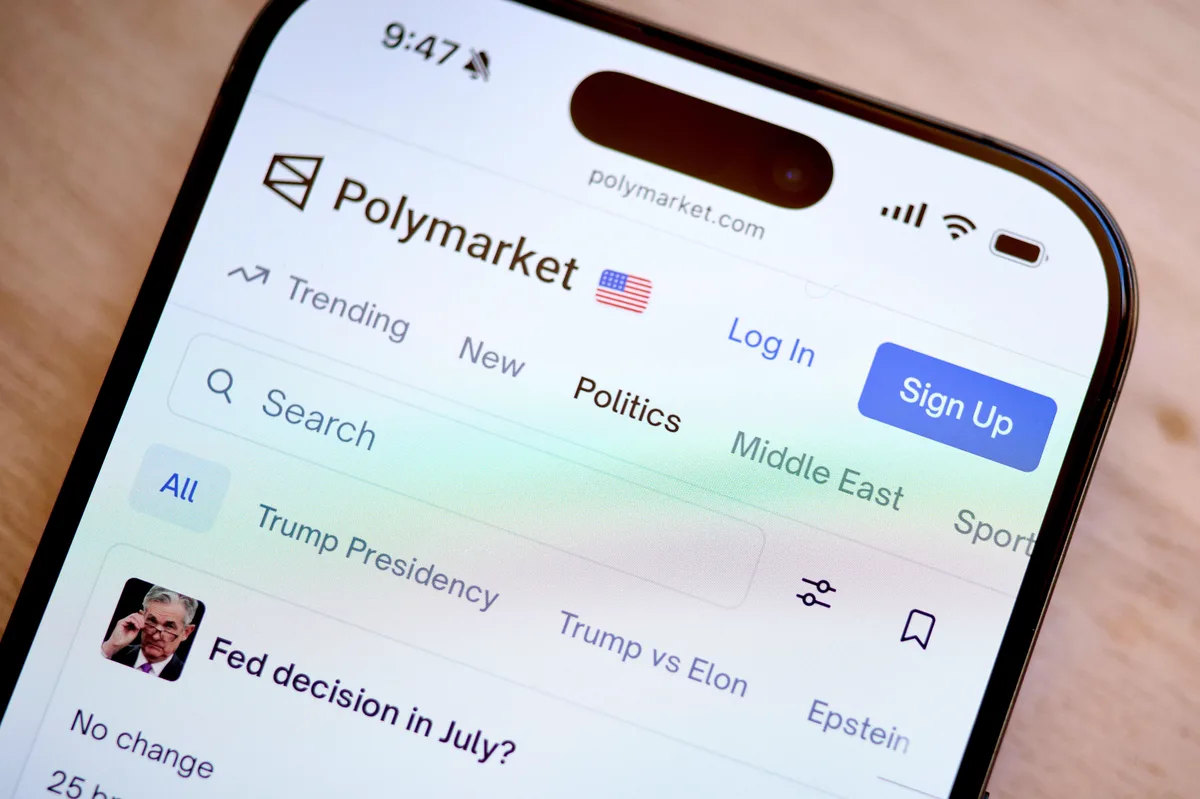
Prediction markets are booming — and so is the compliance headache that comes with them. CNBC reached out to 50 companies asking a simple question: what are your rules for employees trading on these platforms? Most couldn't give a straight answer. That silence should tell you something.
The concern is real and it's not subtle. If an insider at a major corporation bets on an outcome they have non-public knowledge about — a merger, an earnings miss, a regulatory decision — that's potentially the same legal minefield as traditional insider trading. The fact that it happens on a prediction market platform doesn't make it clean.
Read more Prediction Markets Raise Insider Trading Flags at Major Firms →
Goldman Sachs was among the handful of firms that actually had a response when CNBC came knocking. The broader takeaway? Most of corporate America is behind the curve on this. Fifty companies contacted, and only a handful could articulate a coherent trading policy for employees on prediction markets. That's a compliance gap you could drive a truck through.
For retail traders, this creates an asymmetry worth paying attention to. If insiders are operating in a gray zone with little oversight, prediction market pricing could be getting manipulated in ways regulators haven't caught up to yet. You're potentially trading against someone who knows the answer before the question is even settled.
This story is still developing as regulators and legal teams figure out how existing securities law maps onto a new asset class. Don't expect clarity fast — but do expect this to get louder before it gets quieter. Continue reading at US Top News and Analysis.