The JAWBONE Act Aims to Curb Government Speech Coercion
New legislation targets federal pressure on private platforms. Here's why it matters for free markets and your portfolio.

Washington is making noise about a bill called the JAWBONE Act, and if you care about government overreach into private business, you should be paying attention. The legislation is designed to push back against a tactic that's become increasingly common: federal officials leaning on private companies — especially tech platforms — to suppress or shape speech without ever passing a formal law. That's a problem for markets, and it's a problem for anyone who believes in limited government.
The Cato Institute, a libertarian-leaning think tank, has come out in support of the bill's direction. Their argument is straightforward — when government officials use informal pressure to get private companies to do what they legally can't mandate, that's still coercion. It just happens to skip the paperwork. The JAWBONE Act would put guardrails on that behavior, giving businesses and individuals a clearer legal framework to push back.
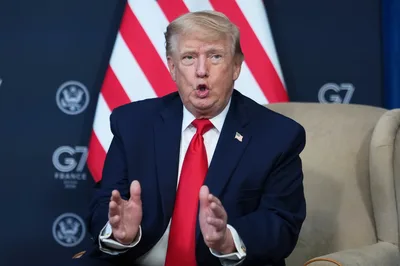
Read more Trump Joins G7 Leaders and Developing Nations in Working Session →
From a tradeable angle, this is worth watching. Any legislation that redefines the relationship between federal agencies and tech companies could ripple into valuations, compliance costs, and regulatory risk premiums across the sector. Platforms that have faced government pressure over content moderation — think social media giants — could see their legal exposure shift meaningfully if this bill gains traction.
This isn't just a First Amendment debate. It's a structural question about how much informal power regulators hold over public companies. If the JAWBONE Act advances, expect lobbying dollars to move fast and legal teams to get busy. The bill is on the right track, according to Cato, but the path through Congress is never a straight line. Watch the committee votes closely.
Continue reading at beforeitsnews (cato)