AI Compute Futures: The Next Big Tradeable Commodity?
Silicon Data's Carmen Li thinks AI computing power could rival the world's largest commodity markets. Here's what traders need to know.
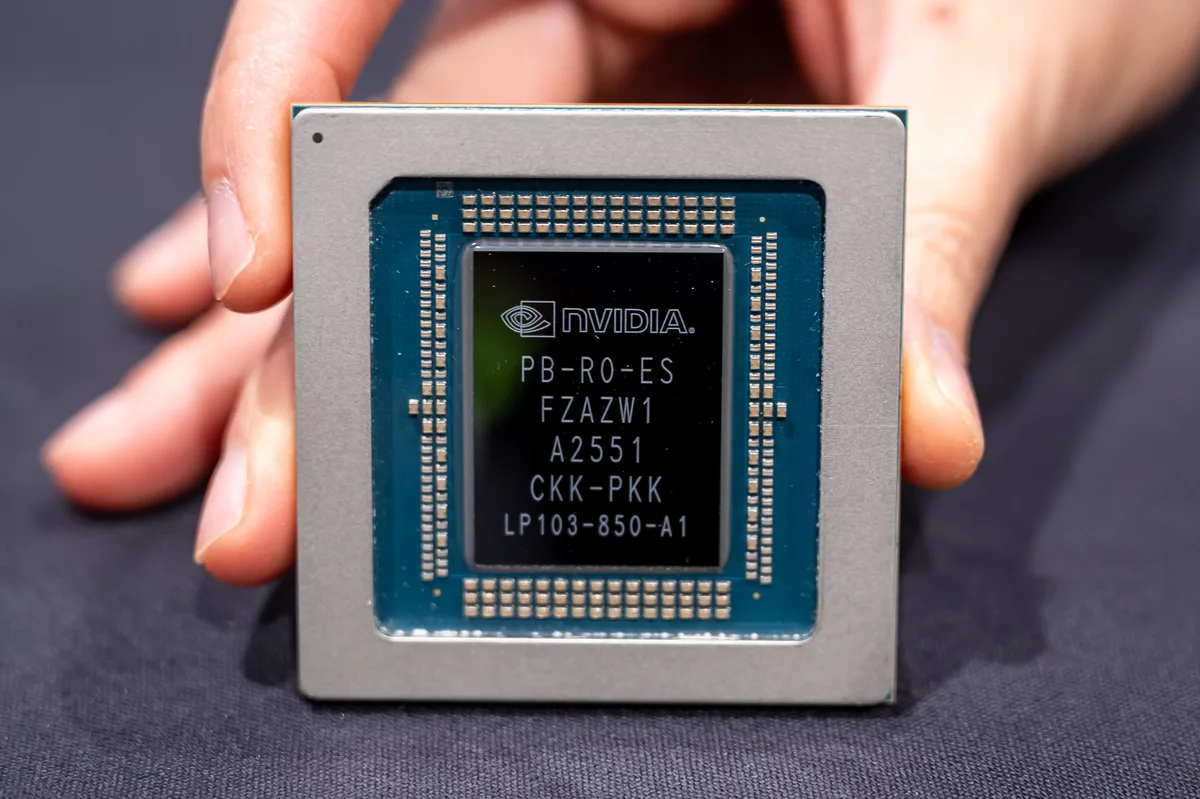
Forget crude oil. The next commodity you might be trading is raw computing power — specifically, the AI compute that's fueling everything from chatbots to autonomous vehicles. Silicon Data's Carmen Li is betting big on this thesis, arguing that AI compute futures could eventually compete with some of the planet's most massive commodity markets.
The logic isn't crazy. Commodities become tradeable when demand is massive, supply is constrained, and prices are volatile. AI compute checks all three boxes right now. Data centers are scrambling for chips, power grids are straining under the load, and pricing swings wildly depending on who you know and what contract you landed. That's a market waiting to be standardized.
Read more Novig Scores CFTC Approval for Peer-to-Peer Sports Markets →
Li's vision is essentially to do for GPU cycles what traders did for barrels of oil — create a futures market where buyers lock in compute capacity at a set price and sellers hedge their infrastructure bets. If it works, it transforms AI infrastructure from a wild-west procurement game into something you can actually hedge against.
The stakes here are enormous. Commodity markets like oil, natural gas, and metals move trillions of dollars annually. If AI compute futures carve out even a fraction of that volume, you're looking at a new asset class that could reshape how tech companies, hyperscalers, and investors manage risk. Early movers in this space could have a serious edge.
This is still early innings — no dominant exchange or contract standard has emerged yet. But the direction of travel is clear. AI compute is becoming too valuable, too volatile, and too globally contested to stay off the futures tape for long. Continue reading at US Top News and Analysis.